
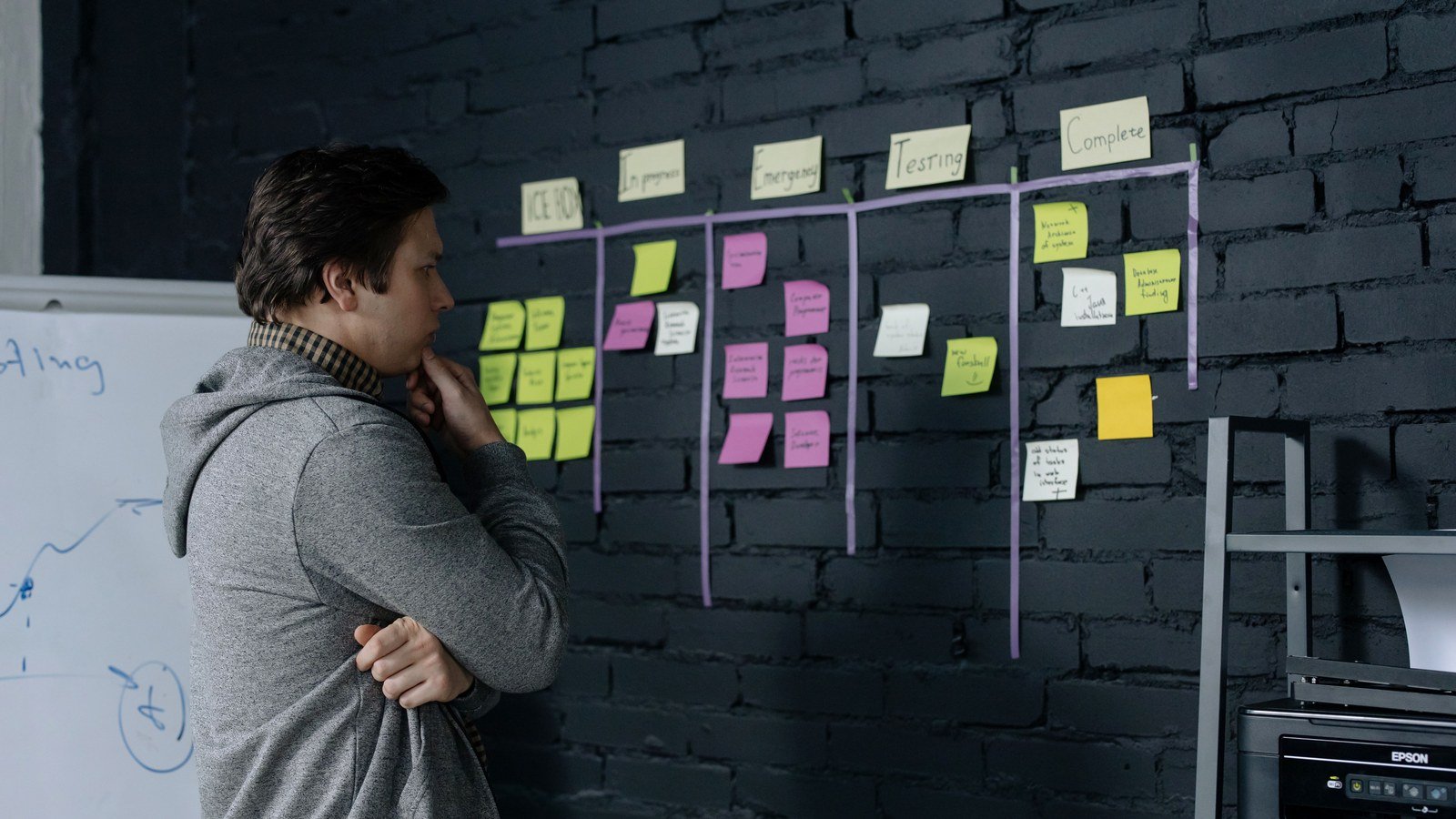
Decide what work AI should do by sorting tasks, not by shopping for tools: give it work that is frequent, easy to describe, quick to check and cheap to get wrong, and keep judgment and relationships with your people.
If you own a firm of twenty-five people, some of your staff are likely already using AI on their own. One drafts proposals with it, another summarizes calls, someone else will not touch it. Nobody has decided which work it should handle, so the decision is being made one person at a time, with your client data along for the ride. A short sorting exercise fixes that.
Start with a task list, not a tool list
Ask each team lead to list the recurring tasks their people do in a normal week. Keep each task small and concrete: "write the first draft of the monthly client report," not "client communication." A few dozen tasks across the firm is plenty. Choosing tools gets much easier once you know what they are for.
Use a simple sheet with one row per task and a column for each of the four questions below. Score each from one to three. The pattern will be obvious long before the scoring is perfect.
Score each task on four questions
How often does it happen?
Work done daily or weekly repays the time it takes to set up and check. Something done twice a year rarely does.
Can you describe a good result?
If a senior person can explain what "done well" looks like, with examples, AI has something to aim at. If the honest answer is "you just know," keep the task with people for now.
How fast can someone check it?
The best early tasks are ones where reviewing the output takes far less time than producing it. Checking a meeting summary against your notes takes minutes. Checking a tax position can take as long as working it out.
What does a mistake cost?
A clumsy internal draft costs a few minutes. A wrong figure sent to a client costs trust. Rate each task's cost of error from low to high.
Sort the list into three groups
- Hand it over, with review. Frequent, describable, quick to check, low cost of error. First drafts, summaries, data cleanup, and tagging or routing incoming requests usually land here.
- Assist only. AI prepares the material and a person decides. Background research for a recommendation, a draft of a sensitive email, a first pass at an analysis.
- Keep human. Final advice, pricing calls, hiring decisions, difficult client conversations, and anything where someone must stand behind the answer.
In a professional firm, the middle group is where I would look hardest. The person stays accountable for the result but spends less time on the preparation.
Write the rules down
Once the list is sorted, turn it into a one-page policy your team can follow:
- Which tasks belong in each group.
- Which approved tools to use, and which client data may never go into them.
- Who reviews AI-assisted work before it leaves the firm.
- Where to report problems, so the list keeps improving.
Keep it short enough that people actually read it. A page your team follows beats a manual nobody opens.
Revisit it every quarter
Tools change, and so does your team's skill with them. A task that was "assist only" in spring may be ready to hand over by autumn, and something you handed over may need pulling back after a mistake. Put the review on the calendar, move tasks between groups based on what actually happened, and update the page.
If you want help building the task list and the rules around it, that is the kind of work I do with owners. Book a conversation with me at daks.me.
